Gravimetric
Blenders

TSM has 45 years of experience in producing innovative
world class gravimetric blenders that can be customized
to meet any process or application.


Our Products

Gravimetric Blenders


Gravimetric Blenders

Accurate & Reliable Mixing


Features of Our Gravimetric Blenders & Feeders

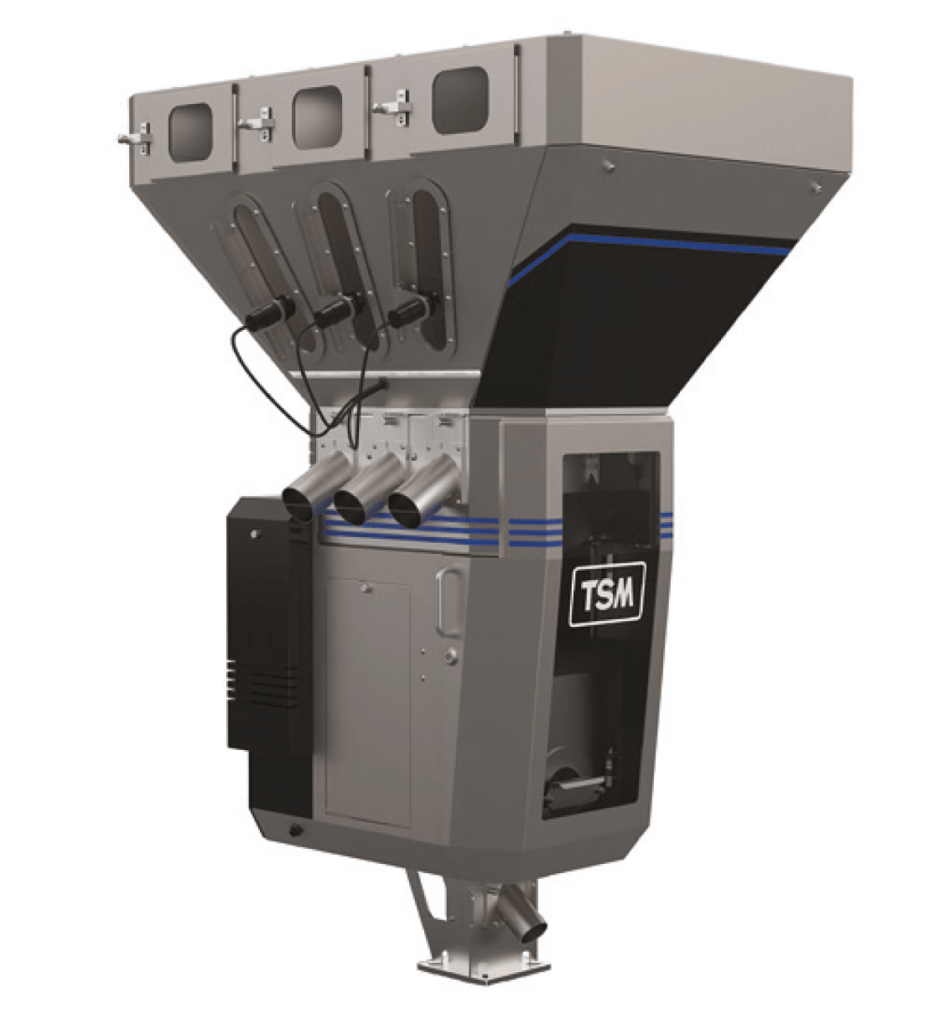
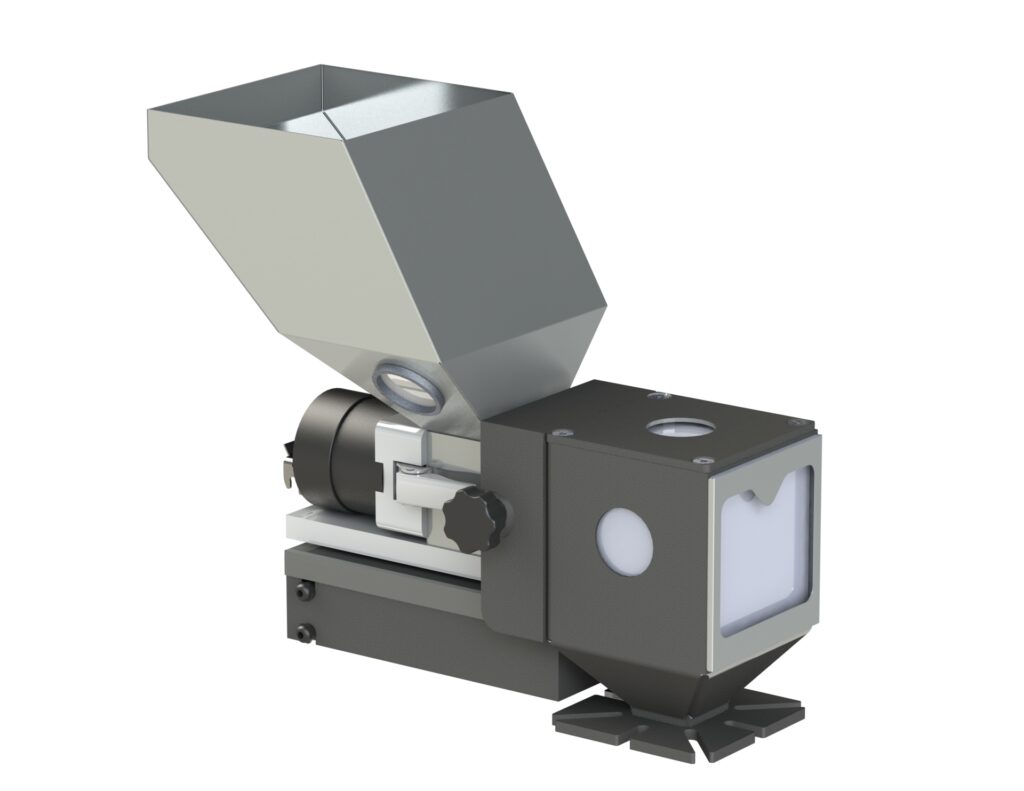
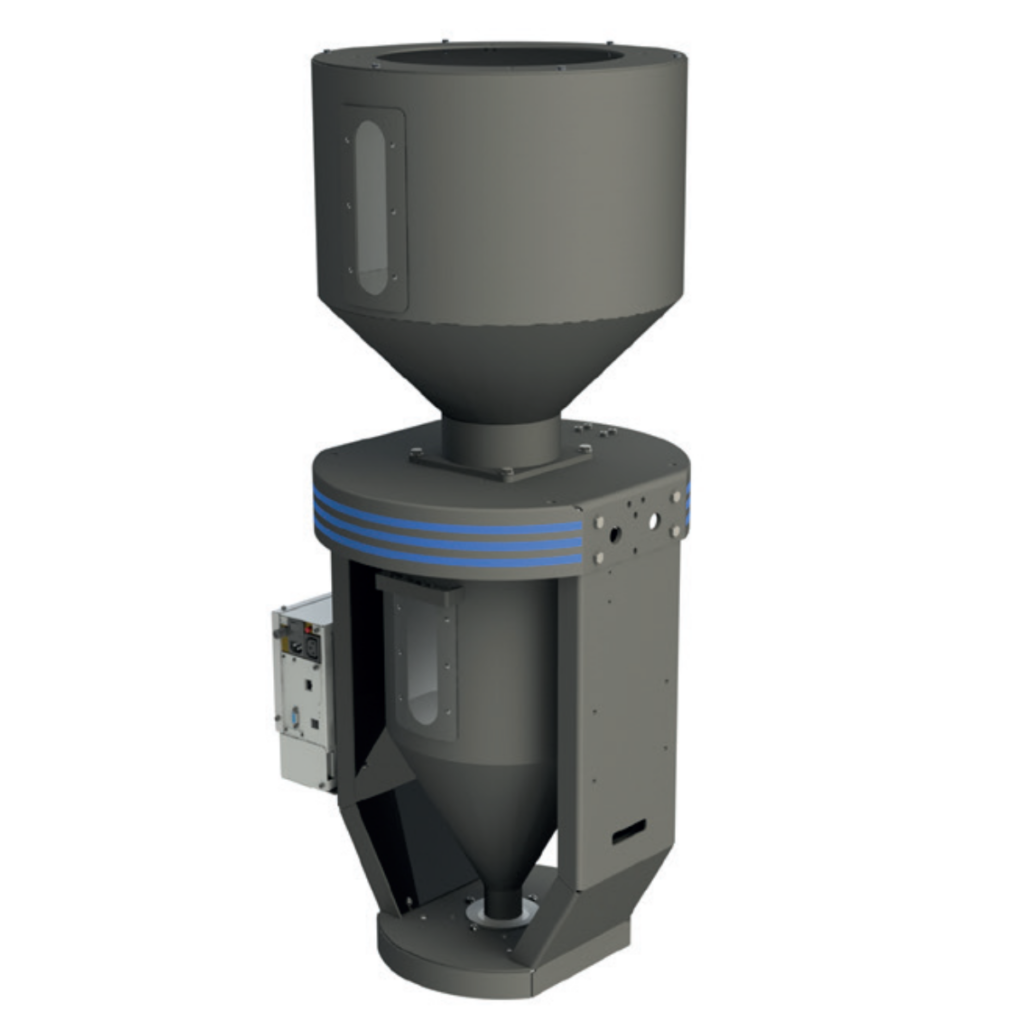
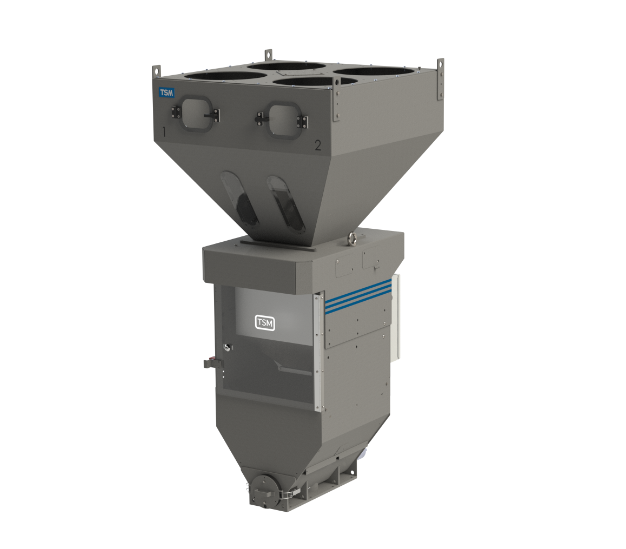
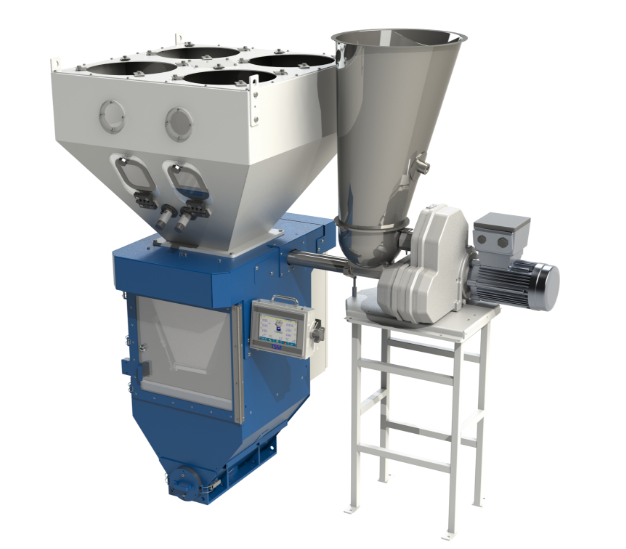
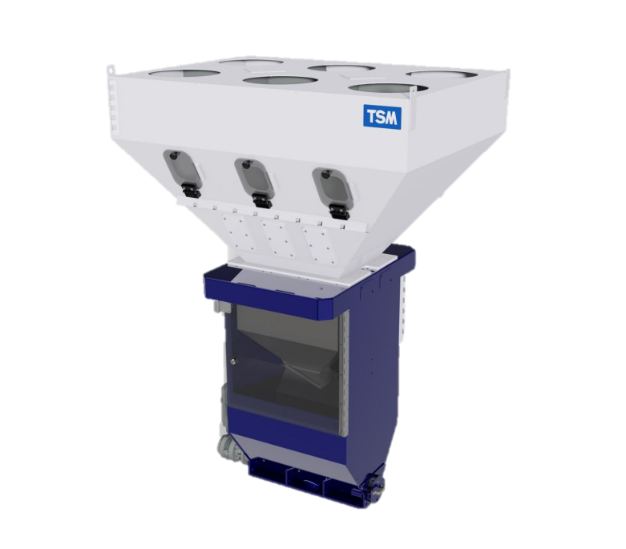
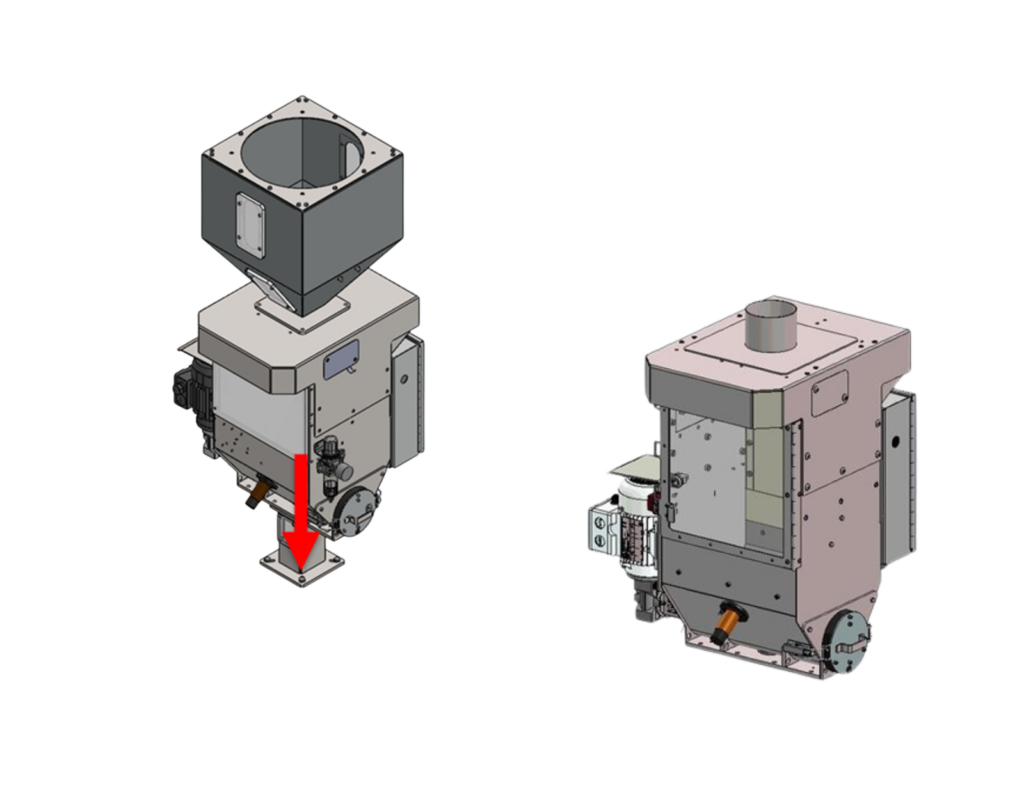
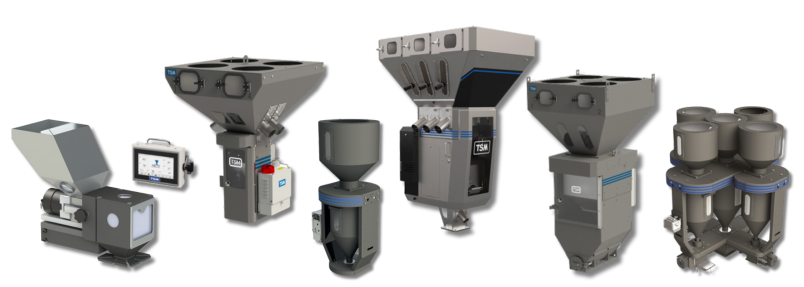
TSM is one of the world’s leading gravimetric blending specialists in the world. Throughout the years, we innovated to bring you patented gravimetric mixing solutions which can be configured to the needs of any application.

Our gravimetric blenders are suitable for Blown Film, Cast Extrusion, Sheet Extrusion, Extrusion Coating, Bopp Extrusion, Wire & Cable Extrusion, Compounding Line, Multifilament Line (Fiber), Pipe & Profile Extrusion, Blow molding & ISBM and Injection molding.
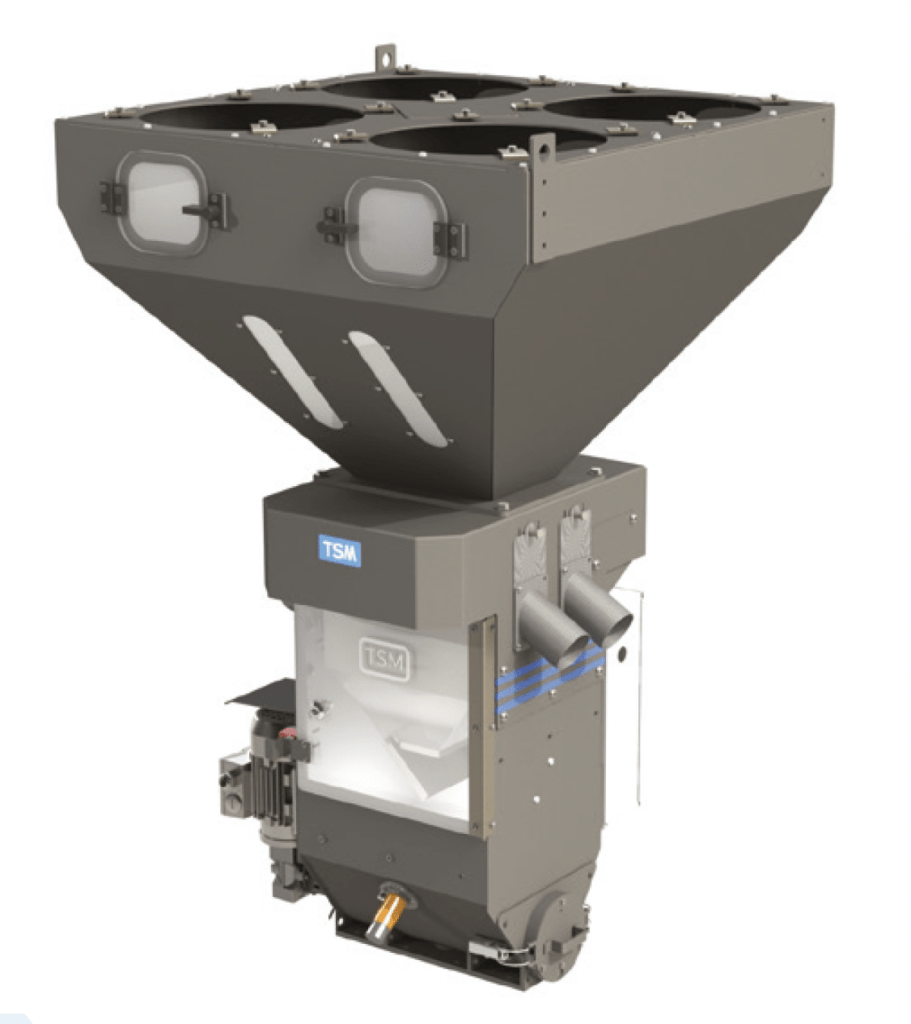
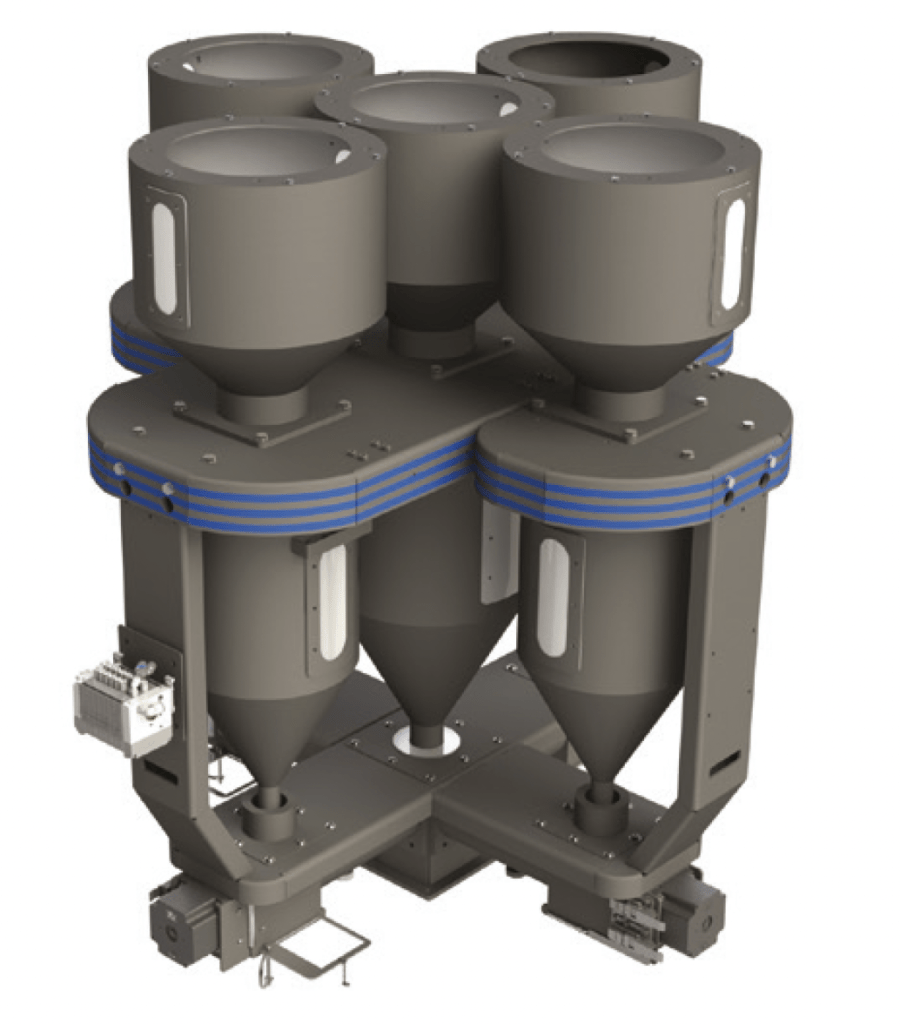
 

TSM provide savings through superior mixing. Utilizing our unique reverse flight mixing auger can ensure all materials are mixed consistently with no separation, no dead spots in the mixing chamber and no need to adjust mixing times. The downward head pressure generated with our positive displacement technique ensures consistent throughput irrespective of material composition.

Each of TSM’s Gravimetric blenders can develop a variety of reports to verify blend quality, consistency, tracking consumption of ingredients and variety of materials used over a period. These are custom to the needs of the customer.

It is now possible to report on an entire plant-wide operation automatically, rather than compiling the data across a series of different blenders.

With TSM Gravimetric blenders distinctive dosing technologies, our customers can achieve low set point targets with consistent accuracy. Designed with high accuracy software, precise control of each component is a standard feature.

All of TSMs Gravimetric Blenders are designed with longevity in mind. Machines which were installed for customers over 20 years ago are still in operation. It is with pride that TSM engineer and manufacture machinery which stand the test of time.

Gravimetric Blenders

Download Gravimetric Brochure

Download

How our Gravimetric Blenders Work

Applications

Why Choose TSM Control Systems as your Gravimetric Blender Manufacturer

Get in touch with our Gravimetric Blenders Experts today.

CONTACT TSM

FAQs

How accurate should a gravimetric blender be?
TSM gravimetric batch blenders are designed for high-precision dosing, with published TSM literature referencing dispensing accuracy up to ±0.01% of batch (model/config dependent). In practice, achievable accuracy depends on material behavior (powders vs pellets vs flake), refill dynamics, installation, vibration, and dosing rate. For realistic accuracy expectation on your specific recipe and throughput, TSM can review your materials and target percentages
What’s the quickest way to do a color change/clean-down?
The fastest changeovers typically come down to minimizing material retention points (hoppers, weigh bin, mixing chamber, discharge) and using a procedure that suits your material type and color-change frequency. TSM can recommend the best clean-down approach based on your line layout and whether you run powders, regrind, sticky additives, or frequent masterbatch changes.
What’s better for me, batch or continuous blending?
Batch gravimetric blending is often preferred when you want high homogeneity and repeatable batch-to-batch mixing, particularly with multiple components and changing recipes. Continuous (LIW) blending is typically chosen where you want continuous rate control, and potentially throughput/yield control at the same time. TSM supplies both approaches across the portfolio, share your throughput range, component count, and recipe change frequency and we will recommend the best-fit system.
Can I link the blender to extrusion/yield control and my MES?
Yes, TSM systems are built to support line control and plant connectivity, with multi-protocol communications used across TSM solutions. Integration depends on what you want to exchange (setpoints, recipes, production reporting, alarms, traceability) and what your MES/PLC supports. Send your controls/MES details and TSM will confirm the best integration method.
Does static/dust really affect dosing accuracy?
It can. Static, dust and fines can disrupt consistent material flow (especially powders and light regrind), which affects stable dosing and refill behavior. The solution is usually a combination of correct material handling design (receivers/filters), grounding and good housekeeping, plus selecting the right dosing hardware for the material. If you tell us your material types and the symptoms you see, we will advise the best configuration.
Can a blender help reduce masterbatch usage and improve color consistency?
Yes, gravimetric weight-based dosing helps reduce variation caused by bulk density changes and can support more stable additive percentages. TSM literature positions improved mixing and control as a route to reduced masterbatch percentage and reduced color variation, depending on process conditions. If you share your current masterbatch setpoint and scrap/variation issues, we can estimate the potential saving.
Will a gravimetric blender work reliably with recycled content, flake, or powders?
Often yes, especially because gravimetric control compensates for bulk-density variation that is common with recycled materials. Reliability with flakes and powders depends heavily on the feed/dosing mechanism and material conditioning (bridging, fluff, fines). Provide your PCR %, bulk density, and material form and TSM will confirm the best hardware/configuration.
Can I retrofit a gravimetric blender to an existing line?
In many cases, yes. Retrofit feasibility depends on available headroom, mounting to the throat/adaptor, throughput requirements, and how you want to integrate controls. Send photos/dimensions and line rate and we’ll advise a suitable retrofit path.
What’s the difference between volumetric and gravimetric blending, should I upgrade?
Volumetric meters by volume and can drift when bulk density changes; gravimetric meters by weight, maintaining the recipe more consistently as materials vary. Upgrading is typically justified when you want tighter color control, more stable regrind/PCR dosing, reduced scrap, or lower additive cost. If you share your current pain points, we can help build the business case.
How does a gravimetric blender help reduce scrap and improve product quality?
By holding component percentages more consistently and providing repeatable mixing, gravimetric blending reduces common causes of off-spec production (color drift, additive variation, inconsistent mechanical properties). When paired with extrusion/yield control, it can also support running closer to minimum tolerances to reduce material usage. For a tailored improvement plan, TSM can review your current scrap drivers and product tolerances.